Video marketing for contractors: one shoot day, thirty days of content
Most contractors picture a commercial. The version that works is closer to documentation — and you stand in front of it daily.
By Ryan McKeel · JUICED Media, Clearwater FL
Ask a contractor about video marketing and most picture the same thing: a commercial. Drone shot of the truck, upbeat music, the owner in a clean polo saying he's been serving the community for twenty years.
That video costs real money, takes weeks, gets posted once, and does close to nothing.
The version that works looks almost nothing like it.
The reframe
Stop thinking about production and start thinking about documentation.
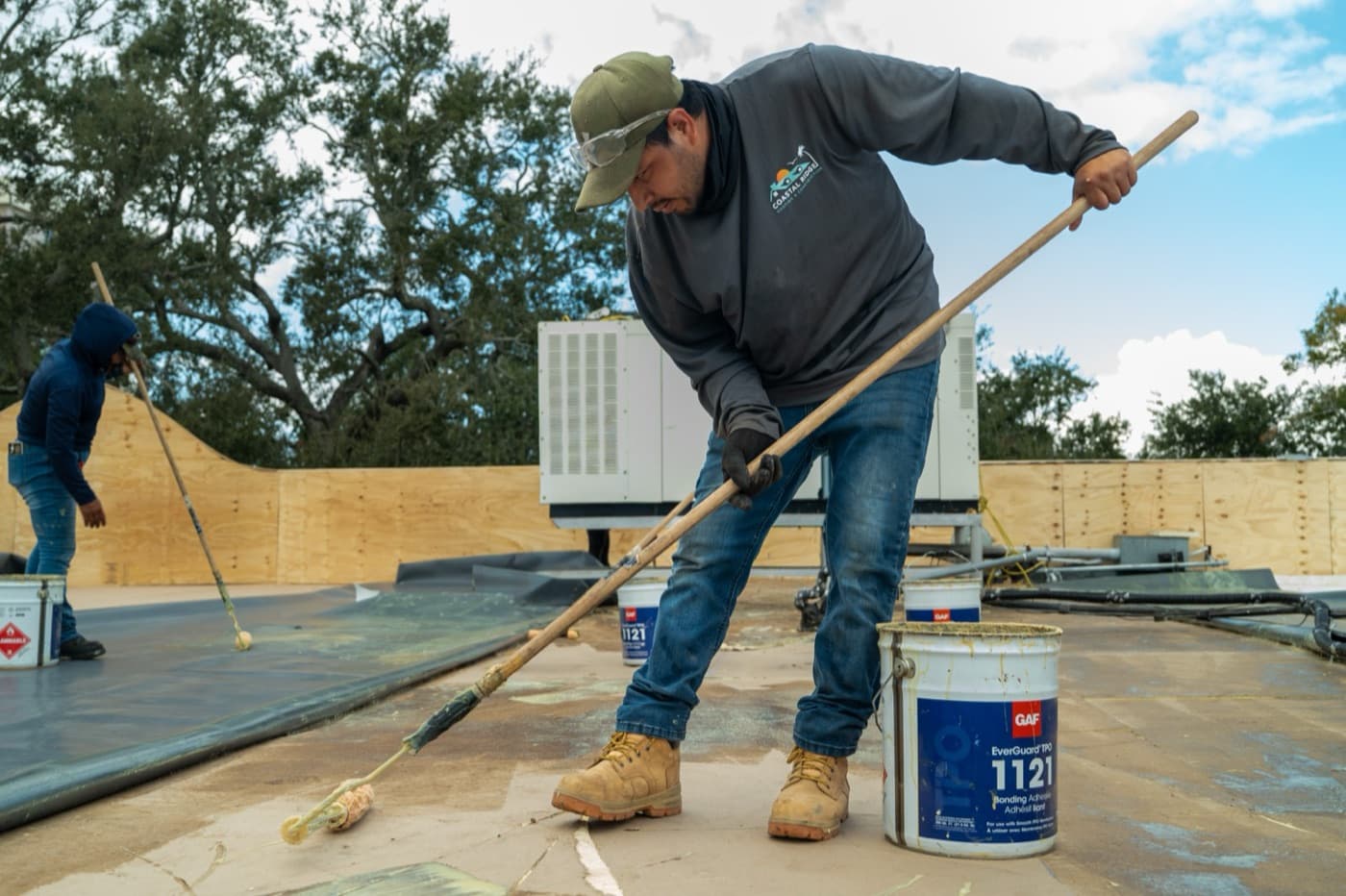
You are standing in front of usable footage every single day. A tear-off, a pour, an open panel, a pipe that failed in an instructive way. To you it's Tuesday. To a homeowner it's a look inside a world they've never seen and are slightly anxious about.
That gap — routine to you, unfamiliar to them — is the entire opportunity.
Why it outperforms the commercial
Three reasons, in order of how much they matter.
It's specific. "We do quality work" is a claim anyone can make. Footage of your crew replacing rotted decking on a Clearwater roof is evidence. Nobody else has that clip, because nobody else was on that roof.
It's repeatable. A commercial is one asset. A shoot day is thirty. You can test ten hooks against the same job, and testing is how paid advertising actually improves.
It scales down, not up. Feeds reward things that look native, not things that look expensive. A polished commercial reads as an ad and gets scrolled past. A clip that looks like someone filmed it on a job site gets watched.
What one day produces
A half day on an active site, done properly, yields roughly:
- Eight to twelve vertical clips for ads and organic
- One or two longer pieces for your website
- A landscape cut for YouTube and Facebook
- Stills for the site, Google Business Profile, and proposals
That covers a month of posting and gives an ad account enough variants to test with, from one visit that didn't stop your crew working.
The shot list
If you do nothing else, get these:
- The problem, close. Whatever failed, in detail. Rot, corrosion, a burnt breaker, cracked tile. This is the highest-performing footage in every trade we shoot.
- The reveal. What's underneath once the old thing is off. Homeowners have never seen this and find it genuinely compelling.
- Hands working. Not the whole crew from a distance — one person's hands doing one thing, close.
- Before and after, same angle. Framed identically or the comparison doesn't land.
- Aerial, if the job warrants it and whoever's flying holds a Part 107 certificate and insurance. Commercial drone work legally requires both, and plenty of operators have neither.
- Thirty seconds of you explaining one thing homeowners get wrong. Not a pitch. One useful fact.
That last one is the piece most contractors resist and the piece that separates you from a national lead-generation company. They can outspend you on everything except being a real named person in the county.
"I'm not good on camera"
You don't need to be, and the fear is usually about the wrong thing.
Nobody is judging your delivery. They're deciding whether you seem like someone who knows what he's doing and won't rip them off. Slightly awkward and clearly competent beats polished and generic — polished reads as a salesperson.
Practically: shoot it in short chunks rather than one take, and cut around whatever didn't work. And plenty of contractors never appear at all. The work carries most of it.
Where the footage goes
This is where most video spending is wasted. A video that gets posted once and nothing else was a cost, not an investment.
The same shoot day should feed:
- Paid social, as multiple hook variants against the same job
- Organic posts, spread across the following weeks
- Your website — a page with video keeps people reading and gives them something to judge you by
- Your Google Business Profile, which accepts video and where almost no competitor bothers
- Sales conversations, as a link you send before an estimate
One shoot, five places. That's what makes the economics work.
Judging it
Not views. Views are the number agencies report when nothing better happened.
Watch instead: how many people finish the clip, saves and shares, cost per lead on paid versus what you were running before, and whether your close rate on estimates moves once prospects have seen your work before you arrive.
That last one is the underrated effect. A homeowner who watched three of your videos before you knocked is a different conversation from one who found you in a directory.
The short version
- Think documentation, not commercial. You stand in front of usable footage daily.
- Specific beats polished. Your crew on a real roof is evidence; "quality work" is a claim.
- One half-day yields eight to twelve verticals, a landscape cut, and stills — about a month of content.
- Shoot the problem close, the reveal underneath, hands working, and before/after from the same angle.
- Aerial work legally requires an FAA Part 107 certificate and commercial insurance. Ask before you book anyone.
- You don't need to be good on camera. Competent beats polished — polished reads as a salesperson.
- Run the same footage through paid, organic, your site, your Google profile, and your sales process.
Questions people ask about this
- What kind of video works best for contractors?
- Documentation rather than commercials. Close footage of the problem, the reveal underneath once the old material is off, hands working, and before-and-after framed from the same angle. This outperforms polished brand films because feeds reward content that looks native, and because a clip of your actual job site is evidence rather than a claim.
- How much video content does one shoot day produce?
- A half day on an active job site typically yields eight to twelve vertical clips for ads and social, one or two longer pieces for a website, a landscape cut for YouTube, and stills. That covers roughly a month of posting and gives an ad account enough variants to test properly.
- Do I need to be on camera to market my contracting business?
- No. The work carries most videos, and plenty of contractor accounts perform without the owner ever appearing. If you do want an on-camera piece, shooting it in short chunks and cutting around the takes that did not land removes most of the difficulty — you do not need to be a natural.
- Do I need a licensed drone pilot for aerial footage?
- For commercial work in the United States, yes. Aerial footage used to promote a business requires an FAA Part 107 remote pilot certificate, and commercial insurance is standard practice. It is worth asking any company you are considering, because a number of local operators fly without either.
Want this run for you?
Fifteen minutes. We'll pull your competitors' current ads and tell you what we'd shoot.
Book a Call